Categories
News

Trump’s Bold Claim: A ‘Loophole’ Could Allow Him To Run For A Third Term – The Constitutional Debate Continues

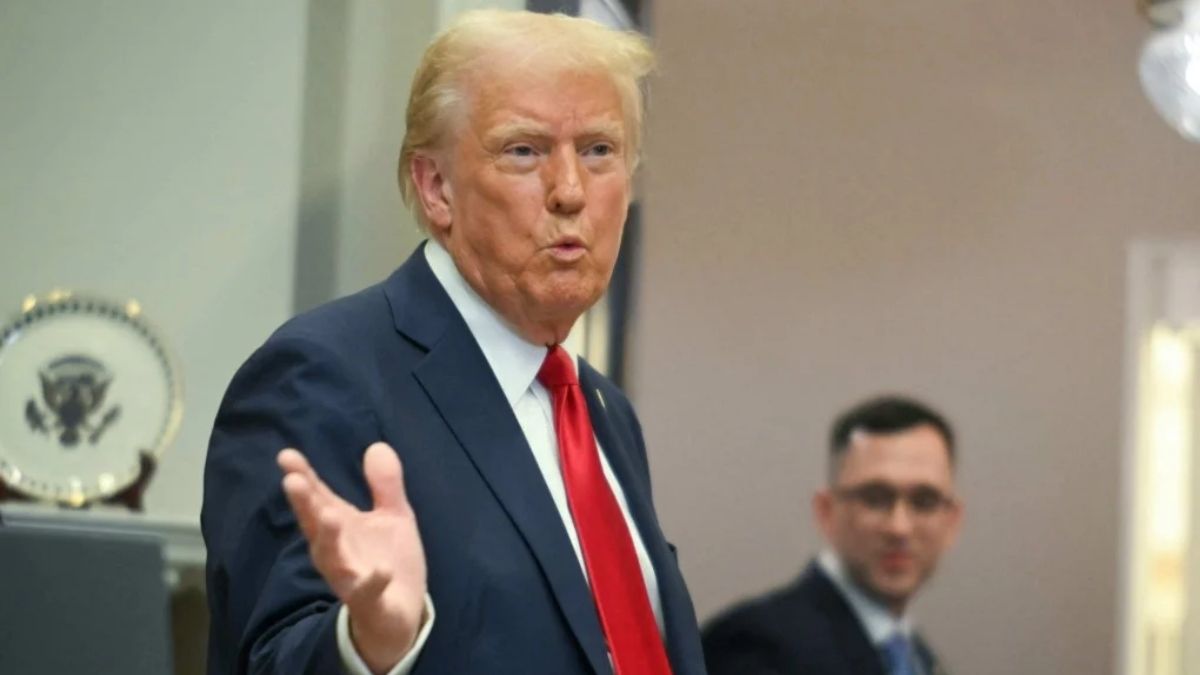
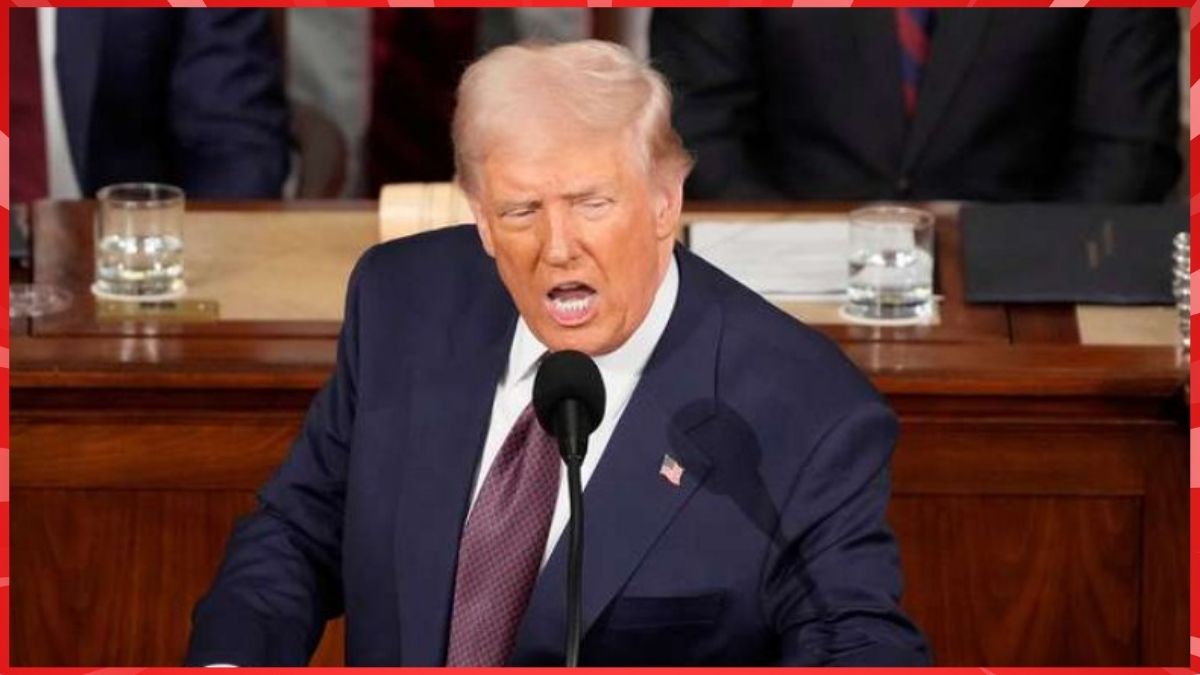
Former President Donald Trump has recently claimed that a potential “loophole” in the U.S. Constitution might allow him to run for a third term. This assertion has sparked significant debate and speculation among political analysts and the general public.

The Constitutional Question

The 22nd Amendment to the U.S. Constitution limits presidents to two terms in office. However, Trump has suggested that a specific interpretation of the amendment could provide a pathway for him to seek re-election. His comments have led to a renewed examination of the amendment and its implications.

Public And Political Reactions

Trump’s claim has been met with mixed reactions. Some supporters argue that the loophole he mentions is a valid interpretation of the Constitution, while critics dismiss it as a far-fetched legal maneuver. The debate has intensified as both sides present their interpretations of the amendment.

The Broader Context

This is not the first time Trump has discussed the possibility of a third term. His previous comments on the subject have always generated significant attention and controversy. The current discussion adds another layer to the ongoing debate about the limits of presidential power and the interpretation of the Constitution.

As the 2024 presidential election approaches, Trump’s assertion about the “loophole” could influence his political strategy and the dynamics of the race. While the legal and constitutional questions remain unresolved, the topic is likely to continue fueling debate and speculation.

Categories
News

Tragic Wave Of Suicides Among Texas Law Enforcement Officers: A Call For Urgent Action And Support

In a deeply troubling development, four Texas law enforcement officers have taken their own lives within a span of just six weeks. This alarming trend has raised serious concerns about the mental health and well-being of those who serve to protect and maintain public safety.

The Recent Incidents

The first incident occurred on February 20, 2025, when a 35-year-old officer from the Dallas Police Department was found dead by suicide. Just a week later, on February 27, a 42-year-old officer from the Houston Police Department also took his own life. The third incident happened on March 15, involving a 38-year-old officer from the Fort Worth Police Department. Most recently, on April 5, a 45-year-old officer from the Austin Police Department was found dead by suicide.

The Impact On The Community

These tragic events have left the Texas law enforcement community in a state of shock and mourning. The officers’ deaths have not only affected their families and colleagues but have also raised awareness about the mental health challenges faced by those in law enforcement. The high-stress nature of their jobs, combined with the increasing demands and dangers they face daily, can take a significant toll on their mental health.

Addressing The Crisis

In response to these incidents, law enforcement agencies across Texas are taking steps to address the mental health crisis among their officers. The Texas Department of Public Safety (DPS) has launched a comprehensive mental health initiative aimed at providing support and resources to officers in need. This includes access to counseling services, peer support programs, and mental health training for all personnel.

The Broader Context

The issue of mental health in law enforcement is not unique to Texas. Across the United States, there has been a growing recognition of the need to support the mental well-being of officers. The National Fraternal Order of Police (NFOP) has called for increased funding for mental health programs and better access to mental health resources for officers nationwide.

The Way Forward

As Texas law enforcement agencies work to address this crisis, the broader community must also play a role in supporting the mental health of those who serve. This includes raising awareness, reducing stigma around mental health issues, and ensuring that officers feel comfortable seeking help when needed.

The recent wave of suicides among Texas law enforcement officers is a stark reminder of the mental health challenges faced by those in this high-stress profession. As agencies work to provide support and resources, it is crucial that the broader community also steps up to ensure that officers feel supported and understood. The well-being of those who protect us is a responsibility we all share.

Categories
News

Breaking News: Concerns Over Trump’s Health After Meeting With Macron – What You Need To Know

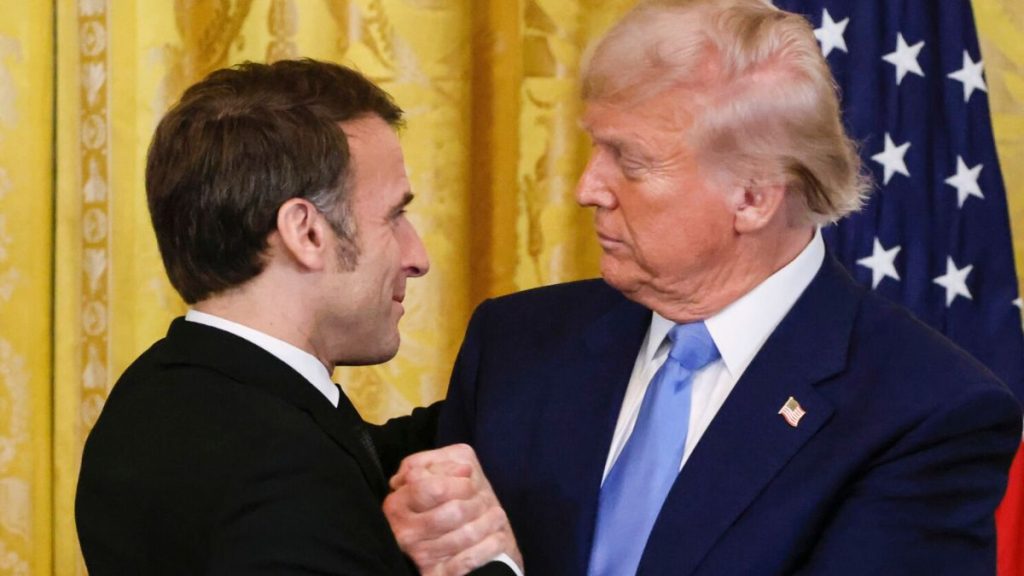
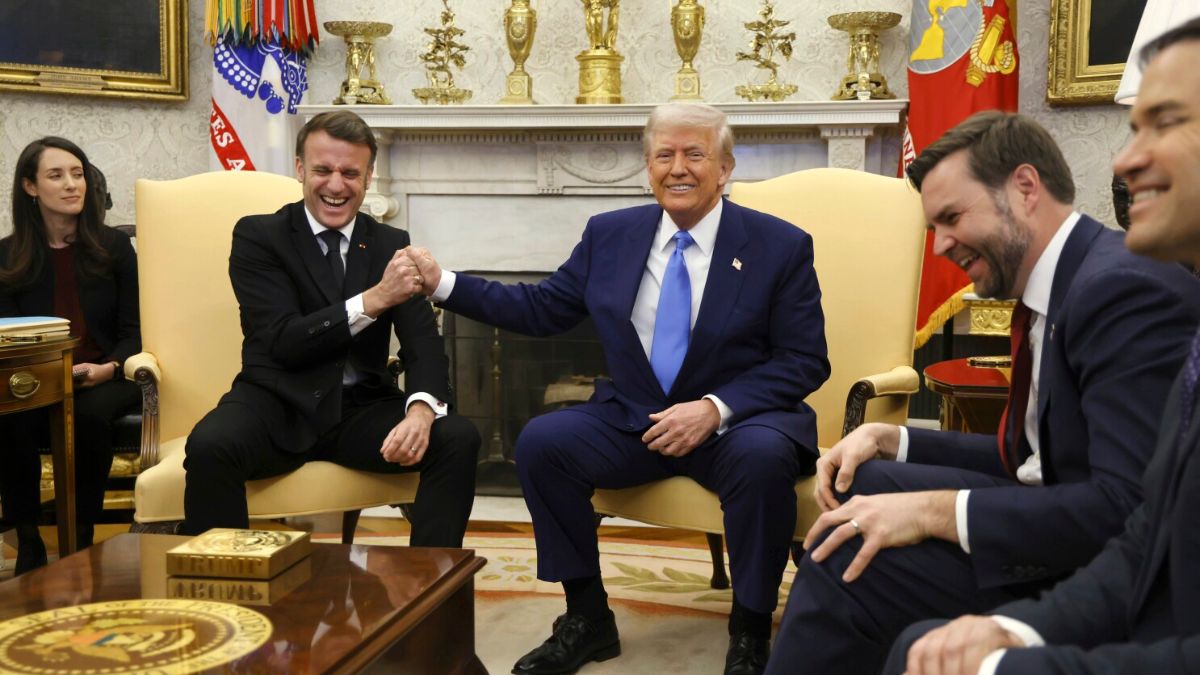
In a recent high-profile meeting between President Donald Trump and French President Emmanuel Macron, a small but noticeable detail has sparked widespread concern about Trump’s health. Observers noted that Trump appeared to exhibit signs of fatigue and discomfort, leading to speculation about his well-being.

The Meeting With Macron

On April 5, 2025, President Trump met with French President Emmanuel Macron in a summit aimed at discussing bilateral relations and global issues. The meeting was attended by top officials from both countries, with a focus on strengthening diplomatic ties and addressing pressing international concerns.

The Detail That Raised Concerns

During the meeting, Trump was seen exhibiting signs of fatigue and discomfort, which led to whispers among attendees about his health. The president appeared to struggle with maintaining his usual energy levels, prompting concerns that his health might be deteriorating. This small but significant detail quickly caught the attention of those present, leading to widespread speculation.

Public Reaction And Speculation

The observations made during the meeting quickly spread, leading to widespread speculation about Trump’s health. Social media was abuzz with comments and theories, with many expressing concern for the president’s well-being. The detail, though seemingly minor, has taken on significant importance as it raises questions about Trump’s ability to continue his rigorous schedule and fulfill his duties.

Official Statements And Reassurances

The White House has not yet issued an official statement addressing the concerns. However, Trump’s close aides and advisors have downplayed the significance of the observed signs, attributing them to temporary factors such as jet lag or a busy schedule. They have reassured the public that the president is in good health and that there is no cause for alarm.

The Broader Context

This is not the first time Trump’s health has come under scrutiny. Previous instances have included concerns about his diet, exercise habits, and overall physical condition. The latest observations have reignited these discussions, with many urging the White House to provide more transparency regarding the president’s health.

Concerns over President Trump’s health have emerged following a recent meeting with French President Emmanuel Macron. Observers noted signs of fatigue and discomfort, leading to widespread speculation about his well-being. While the White House has not commented officially, Trump’s aides have reassured the public that he is in good health. The incident highlights the intense scrutiny and concern that accompanies the health of a world leader.

Categories
News

White House Confirms 104% Tariff Rate On Chinese Imports: Midnight Deadline Looms Amid Rising Tensions

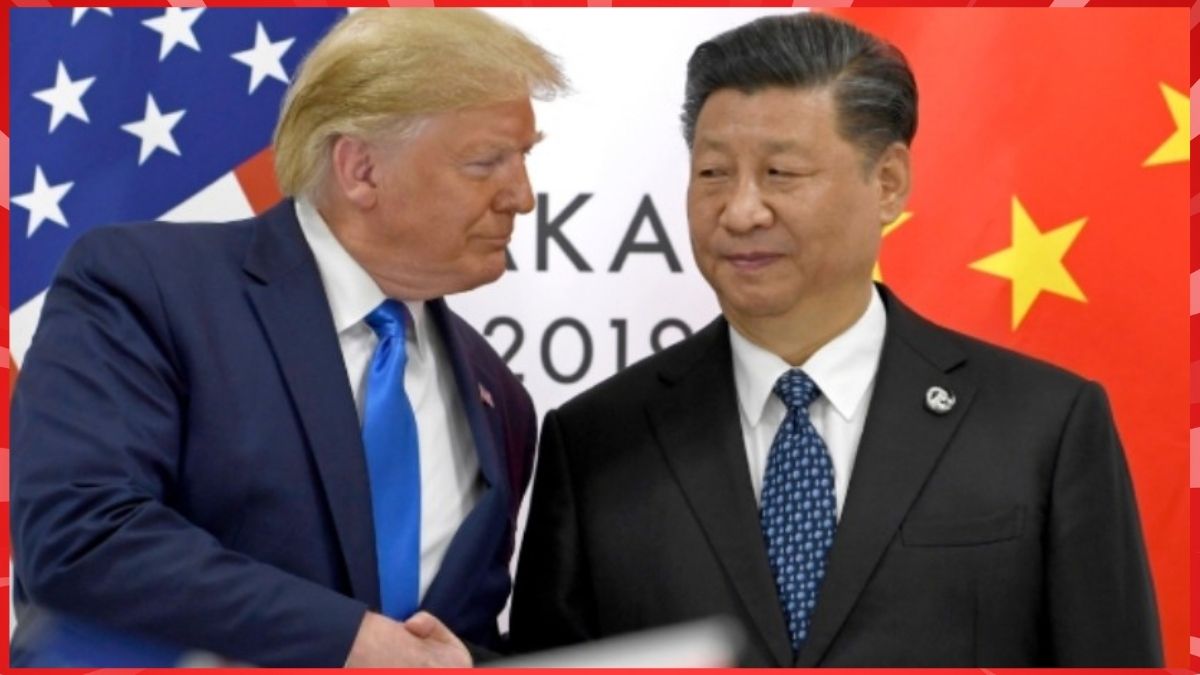
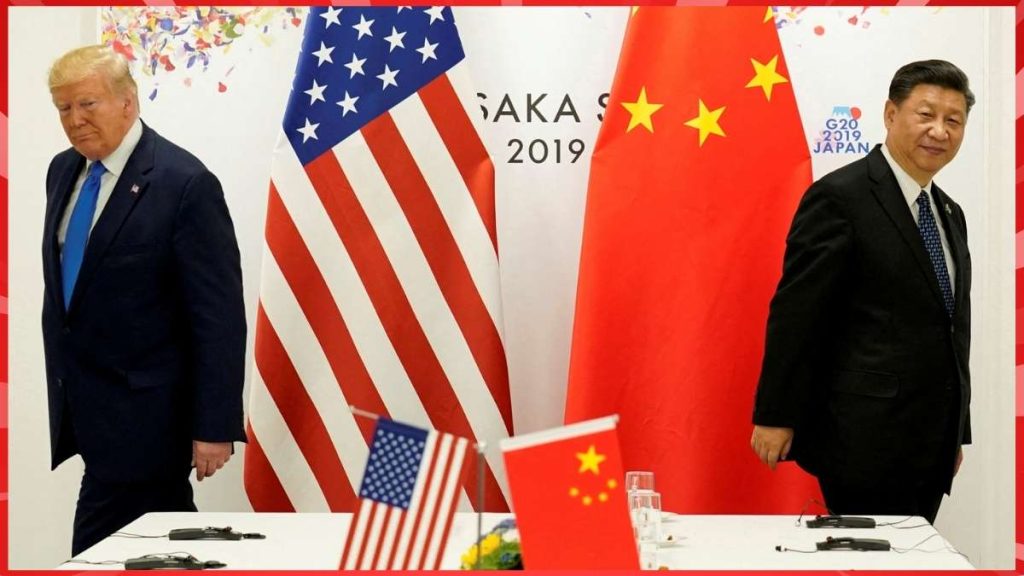
The White House has confirmed that a 104% tariff rate on imports from China will go into effect at midnight, escalating the ongoing trade tensions between the United States and China. This move by President Donald Trump is part of his administration’s broader strategy to address what it perceives as unfair trade practices by China.

The Tariff Announcement

On Monday, President Trump threatened to raise tariffs even further on China, the world’s second-largest economy. These tariffs are set to coincide with his latest set of broad tariffs, which are scheduled to take effect at 12:01 a.m. on Wednesday. White House press secretary Karoline Leavitt confirmed that Trump’s threats of even higher tariffs on China would become a reality after midnight.

China’s Reaction

China has condemned the U.S. tariffs, with a Chinese foreign ministry spokesperson describing them as “typical unilateralism and protectionism, and economic bullying.” The spokesperson, Lin Jian, stated that threats and pressure are not the right way to deal with China and that U.S. tariffs only serve its own interest at the expense of other countries.

Impact On The Stock Market

Trump’s severe tariffs have continued to impact the stock market. After an early jump of 4.1%, which had the S&P 500 on track for its best day in years, the index quickly lost all of its gains within a few hours. It then fluctuated between modest gains and losses before settling on a rise of 0.4% in afternoon trading.

Economic Implications

The big question remains centered on how long Trump will keep his stiff tariffs on other countries, which would raise prices for U.S. shoppers and slow the economy. If the tariffs remain in place for an extended period, economists and investors expect them to cause a recession. However, if Trump lowers them through negotiations relatively quickly, the worst-case scenario can be avoided.

Categories
News

Trump’s Military Purge: The Firing of Admiral Chatfield And The Ongoing Crackdown On Senior Officers

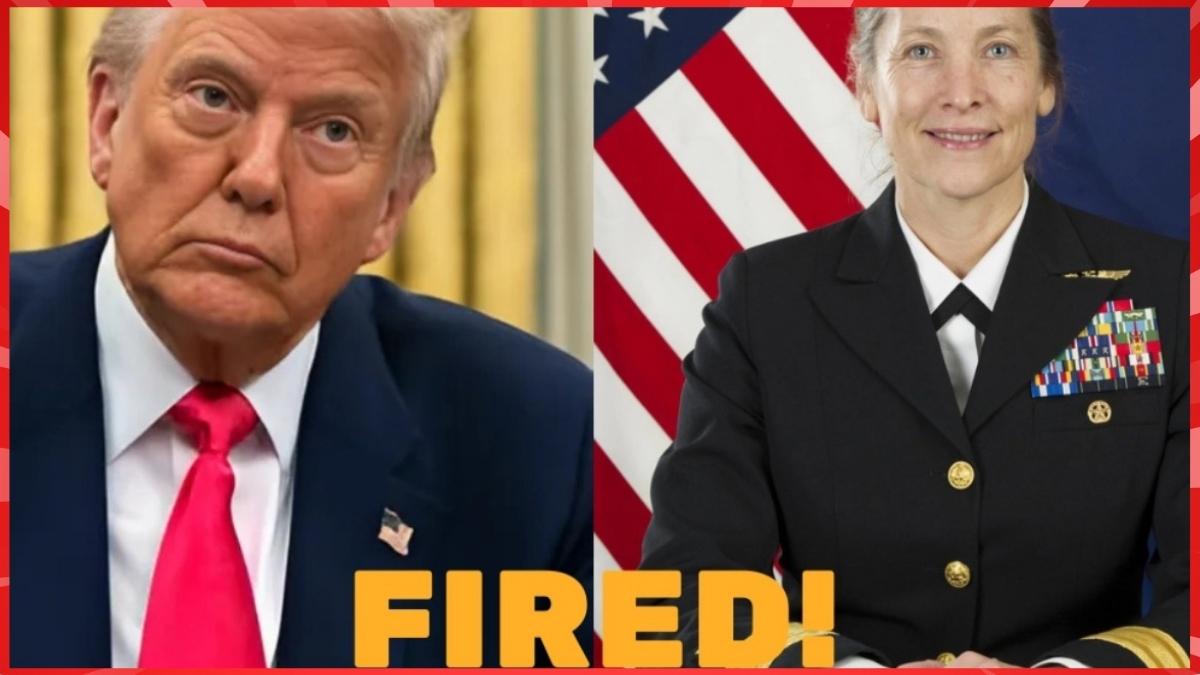
A major shake-up has rocked the U.S. military, as former President Donald Trump has reportedly orchestrated the abrupt removal of Admiral Linda Chatfield, sending shockwaves through the defense establishment. While no official reason has been confirmed, insiders suggest the move is part of a broader push by Trump allies to reshape the military’s top leadership — a purge that’s stirring serious concerns about political interference within the armed forces.

Crackdown On Senior Officers Signals Deeper Power Struggle

Admiral Chatfield’s firing appears to be just the tip of the iceberg. Multiple senior officers are reportedly on edge, with whispers of a larger campaign to remove or sideline those perceived as disloyal or too independent. The trend is raising alarms among defense analysts, who warn that these targeted removals may be less about readiness and more about consolidating power ahead of the 2024 election.

A Growing Divide Between Civilian Leaders And Military Brass

As tensions rise, the growing divide between civilian political figures and military leaders is becoming increasingly apparent. Experts note that morale is dipping among top brass, with some expressing fears of being targeted next. The abrupt firings could have long-term consequences on military strategy, cohesion, and trust between command structures and those who oversee them.

Political Overtones Shadow The Chain Of Command

Critics argue that the recent moves have a clear political tone, pointing out that many of the officers being scrutinized have either disagreed with Trump-era policies or pushed back against politicized defense strategies. With the former president eyeing a return to power, some believe these purges are laying the groundwork for a more loyal and compliant military leadership under a possible second Trump administration.

What This Means for the Future of the U.S. Armed Forces

The firing of Admiral Chatfield and the rumored ongoing crackdown have sparked intense debate across Washington and within the military community. Will this lead to a more politically influenced chain of command? Could operational decisions start bending to partisan interests? As the dust settles, one thing is clear — this is not just a personnel issue, it’s a potential turning point for the future of civilian-military relations in America.

Categories
News

China’s Bold Stand: ‘Fight To The End’ Against Trump’s Tariff Threats And Accusations of Blackmail

China has issued a resolute response to President Donald Trump’s tariff threats, vowing to “fight to the end” and labeling the U.S. actions as “blackmail.” The situation escalated after Trump warned that he would impose an additional 50% tariff on Chinese goods if Beijing does not withdraw its 34% tariffs on U.S. imports by April 8, 2025. If implemented, the total tariffs on Chinese imports into the U.S. would reach 104%.

China’s Resolute Stance

China’s Commerce Ministry released a statement condemning the U.S. imposition of “so-called ‘reciprocal tariffs'” as “completely groundless and a typical unilateral bullying practice.” The ministry emphasized that China’s countermeasures are aimed at safeguarding its sovereignty, security, and development interests, and maintaining the normal international trade order. It added that the U.S. threat to escalate tariffs is a “mistake on top of a mistake” and once again exposes the “blackmailing nature” of the U.S.

Economic And Market Reactions

Global stock markets have been significantly impacted by the tariff war. The Dow Jones Industrial Average plunged 2,231.07 points, or 5.5%, while the S&P 500 and Nasdaq Composite fell 5.97% and 5.82%, respectively. In China, the Hang Seng Index in Hong Kong climbed about 1.58% after its biggest single-day decline in nearly three decades, while China’s blue-chip CSI 300 Index rose 0.9%.

Call For Negotiation

Despite the strong rhetoric, China has also extended an olive branch, urging Washington to return to the negotiating table. “We advocate resolving disputes through dialogue and cooperation,” the ministry stated, “but we will not hesitate to defend our legitimate rights and interests.”

Categories
News

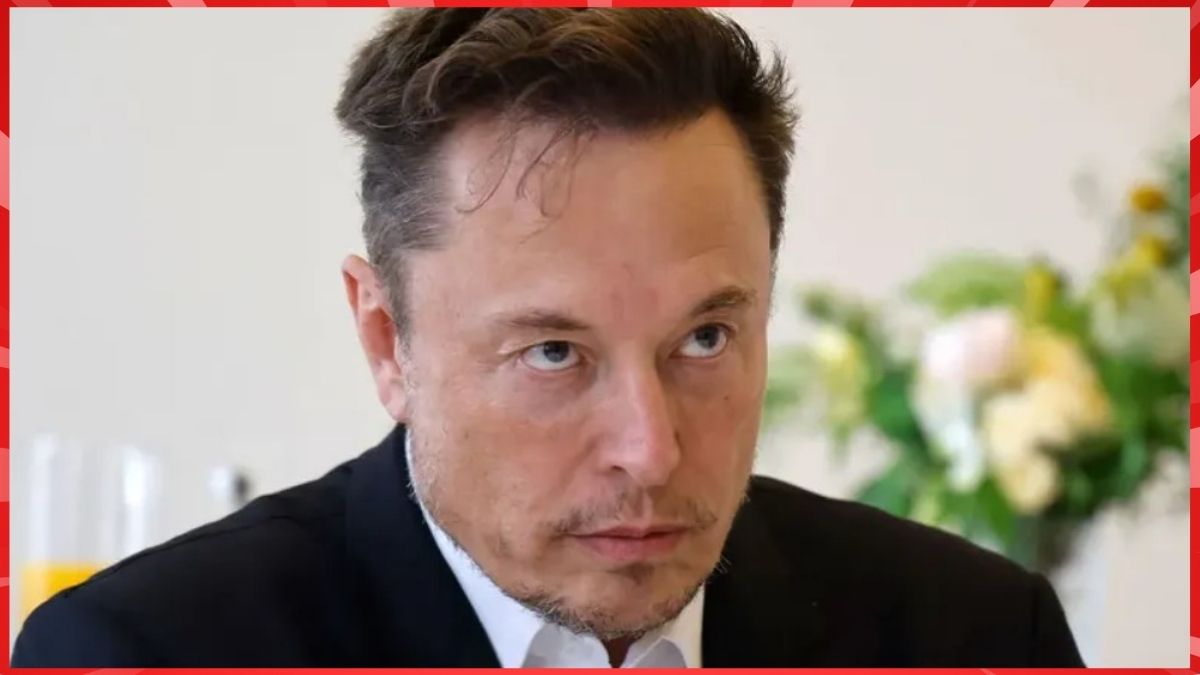
Elon Musk’s Desperate Plea To Trump: Reverse Tariffs Before It’s Too Late

In a surprising behind-the-scenes move, Tesla CEO Elon Musk has reportedly taken matters into his own hands by privately urging former President Donald Trump to reverse course on his aggressive stance toward electric vehicle (EV) tariffs. According to inside sources, Musk is deeply worried about the consequences of escalating trade penalties — particularly those targeting Chinese-made vehicles and components — which could spell trouble for Tesla’s carefully crafted global strategy.

Trump’s Tariff Plans Could Disrupt The EV Market — and Tesla Isn’t Immune

Trump has floated the idea of imposing massive 100% tariffs on EV imports from China if he returns to the Oval Office in 2025. While that tough talk may sound patriotic to some, Musk allegedly sees it as a dangerous gamble. Tesla relies heavily on Chinese manufacturing, especially its Shanghai Gigafactory — a key player in producing affordable EVs for both domestic and international markets. New tariffs could mean higher prices, manufacturing delays, and a slowed EV rollout across the U.S.

Tesla’s China Connection: The Elephant In The EV Room

Despite being an American brand, Tesla has deep roots in China’s automotive infrastructure. The country not only provides critical parts and battery materials but also serves as a major hub for Tesla’s production line. Musk’s reported plea to Trump is seen as an attempt to safeguard that pipeline. With EV competition intensifying and supply chains already strained, any major disruption could give rivals — especially U.S. automakers without international exposure — a serious edge.

Musk Makes A Political Pivot — Again

Musk’s outreach to Trump adds another layer to his evolving political identity. Once considered a centrist tech mogul, Musk has recently shown openness to more conservative viewpoints, especially after public spats with the Biden administration over EV incentives and union support. His quiet conversation with Trump could be viewed as both a protective business move and a strategic alignment in anticipation of a potential Trump 2024 victory.

Will Trump Listen — Or Stick To His Trade War Playbook?

So far, neither Musk nor Trump has publicly confirmed this reported exchange, but the implications are massive. If Trump sticks to his hardline trade policies, Tesla could face significant headwinds. But if Musk’s influence sways the former president, it could signal a major shift in how trade policies are crafted around the booming EV market. One thing’s for sure — this behind-closed-doors move shows just how high the stakes are in the global EV race, and Elon Musk is doing everything he can to keep Tesla in pole position.

Categories
News

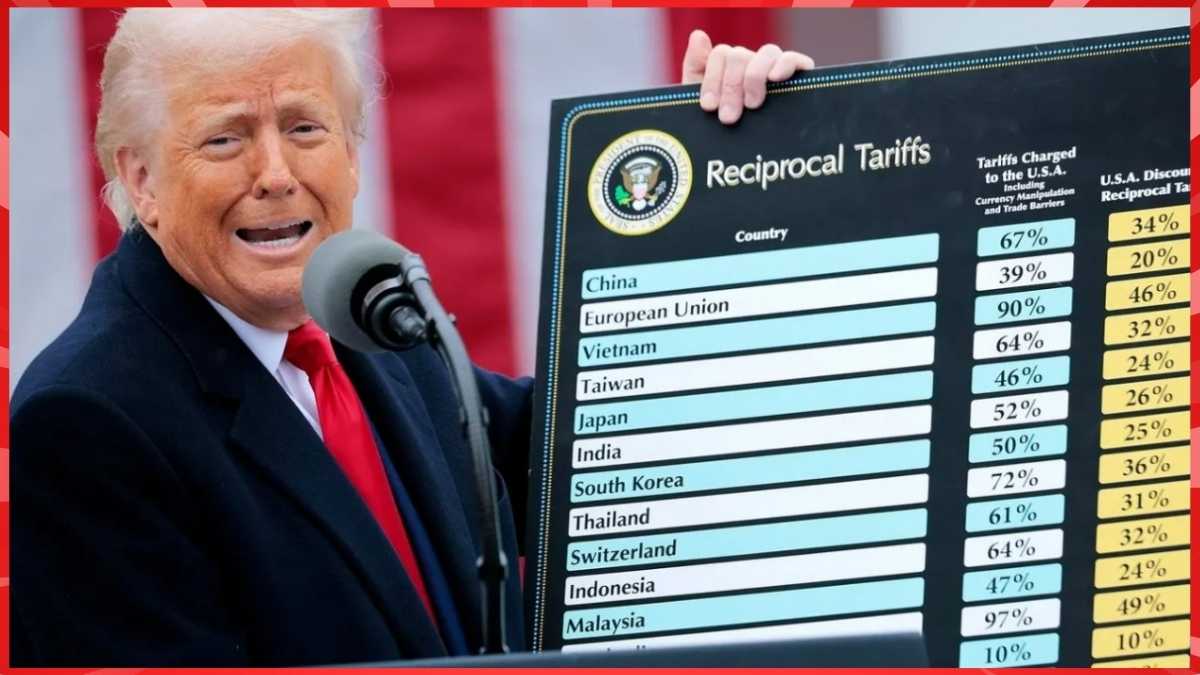
Trump’s Tariff Gambit: Doubling Down Amid Market Turmoil And Global Concerns

President Donald Trump is doubling down on his tariff policies, despite significant market volatility and concerns over potential economic repercussions. The administration’s stance on tariffs has been a central point of debate, with both supporters and critics weighing in on the potential long-term impacts.

Tariff Implementation And Market Reactions

On April 2, President Trump announced a “baseline tariff” of 10% on all imported goods, with additional tariffs imposed on specific countries deemed “worst offenders” . This move has led to significant market volatility, with major stock indexes experiencing sharp declines. The Dow Jones Industrial Average plunged 2,231.07 points, or 5.5%, while the S&P 500 and Nasdaq Composite fell 5.97% and 5.82%, respectively .

Trump’s Rationale And Negotiation Strategy

Trump’s administration views these tariffs as a necessary step toward restructuring global trade. The tariffs are not just about revenue; they are also aimed at reducing America’s trade deficit, protecting domestic industries, and encouraging companies to move manufacturing back to the U.S. . Trump has emphasized that the tariffs will help “rebuild our economy and to prevent cheating” .

International Reactions And Negotiations

International reactions to Trump’s tariff move have been measured. While several countries have expressed disappointment and concern, most have stopped short of announcing retaliatory measures. For instance, China retaliated with a 34% tariff on U.S. imports, prompting Trump to threaten additional tariffs if China does not withdraw its increase . However, many countries, including Israel, Vietnam, and India, have approached the U.S. for negotiations on lowering tariffs .

Economic And Political Implications

The tariffs have raised concerns about a potential global trade war and recession. Goldman Sachs has estimated that the probability of a recession in the next 12 months has jumped to 45% . Despite these concerns, Trump remains defiant, arguing that the tariffs will ultimately strengthen the U.S. economy. He has called on Americans to “hang tough” amid the market turmoil, asserting that the long-term benefits will outweigh the short-term challenges .

Categories
News

Trump’s War On Drugs: Drone Strikes On Mexican Cartels And The Risks Ahead

The Trump administration is reportedly weighing the possibility of launching drone strikes on Mexican drug cartels in an effort to combat the trafficking of narcotics across the US-Mexico border. This potential move comes as part of a broader strategy to address the issue of drug trafficking and related violence.

Increased Surveillance And Potential For Strikes

The US has significantly ramped up surveillance flights over Mexico, with both the military and the CIA involved in gathering intelligence on drug cartels and their operations. These flights are being conducted with the approval of the Mexican government, as confirmed by Mexican President Claudia Sheinbaum. The information gathered from these flights could potentially be used to target cartels and their drug labs within Mexico.

Collaboration And Concerns

While the US and Mexico have a history of collaborating on anti-drug operations, the current plan involves an unprecedented level of US involvement, including the potential use of armed drones. This has raised concerns about sovereignty and the potential impact on US-Mexico relations. The Mexican government has emphasized the importance of information sharing and collaboration in addressing the issue.

Broader Implications

The consideration of drone strikes is part of a broader shift in the Trump administration’s approach to drug cartels, which includes designating them as terrorist organizations. This designation could pave the way for more aggressive military and law enforcement actions against the cartels. The potential for unilateral action by the US, without Mexico’s approval, remains a possibility and could further complicate the situation.

Categories
News

Supreme Court Greenlights Trump’s Deportation Plans Under Alien Enemies Act: A Major Victory

The Trump administration has intensified its crackdown on international students involved in pro-Palestinian protests, leading to the revocation of over 300 student visas. This move has sparked significant controversy and raised questions about the legal and ethical implications of such actions.

Visa Revocations And Accusations

The administration has accused the targeted students of supporting terrorism or engaging in antisemitic conduct during protests, though no concrete evidence or due process has been provided. For instance, Rümeysa Öztürk, a doctoral student at Tufts University, had her visa revoked based on allegations of supporting Hamas, despite her only known activism being a co-authored op-ed in a student newspaper. Similarly, Mahmoud Khalil, a legal U.S. resident and Palestinian activist, was arrested and had his green card revoked due to his role in campus protests.

Use Of Facial Recognition Technology

Private groups and individuals have been using facial recognition technology to identify and report student protesters. Eliyahu Hawila, a software engineer, developed a tool called NesherAI that identifies masked protesters from images and videos. This technology has been used to identify and report students to the administration, leading to several arrests and deportations.

The actions taken by the Trump administration raise critical constitutional questions about the rights of noncitizens to free speech. While the First Amendment protects free speech for both citizens and noncitizens, its application in the context of immigration is less clear. The Supreme Court has upheld deportations of noncitizens for political activities in the past, but it has also protected free speech rights in other cases.

Impact On International Students

The crackdown has caused significant anxiety among international students, who fear that their activism could jeopardize their legal status. Universities across the country have reported visa revocations, with several students either arrested or choosing to “self-deport.” For example, Harvard University revealed that the visas of three students and two recent graduates had been revoked. Other universities, including Stanford, UC Berkeley, and UCLA, have also seen similar actions

Exit mobile version